Cut Off by War, Plugged Into the World: How Iran Won Esports Gold in Nagoya
Iran's esports athletes endured blackouts, an 88-day internet shutdown and war to reach Nagoya — and came home with the country's first Asian Games esports gold.
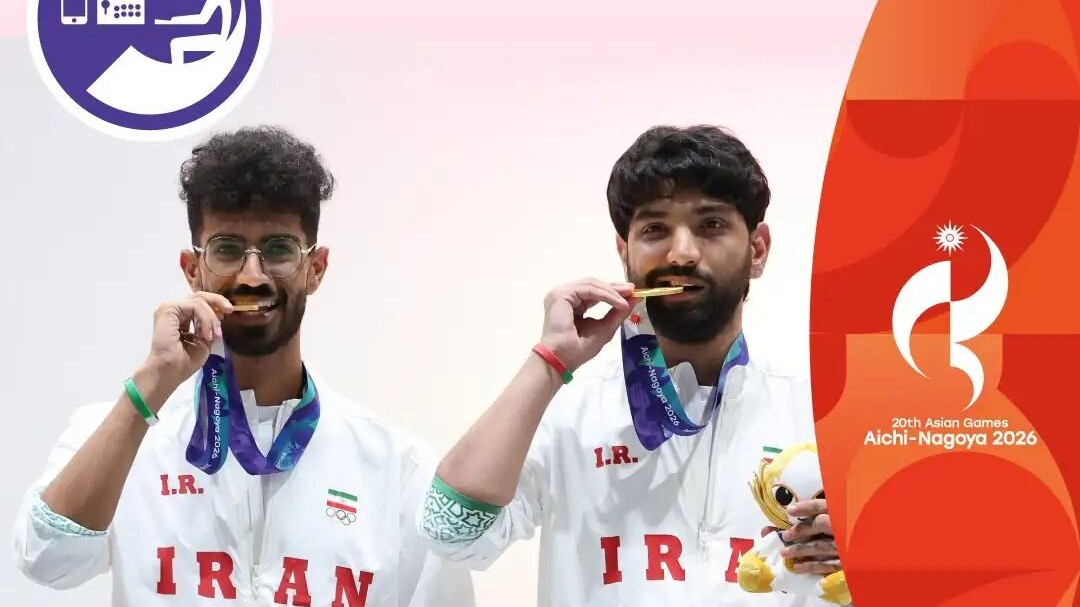
Nagoya, September 23, 2026 — the Aichi Sky Expo. Hassan Pajani beat his Malaysian opponent 3–0 in the console final of the eFootball event, and together with teammate Abolfazl Aghaeinasab sealed the team title with a 4–2 aggregate score. It was Iran's first time fielding a team in esports at the Asian Games — and the debut ended with gold.
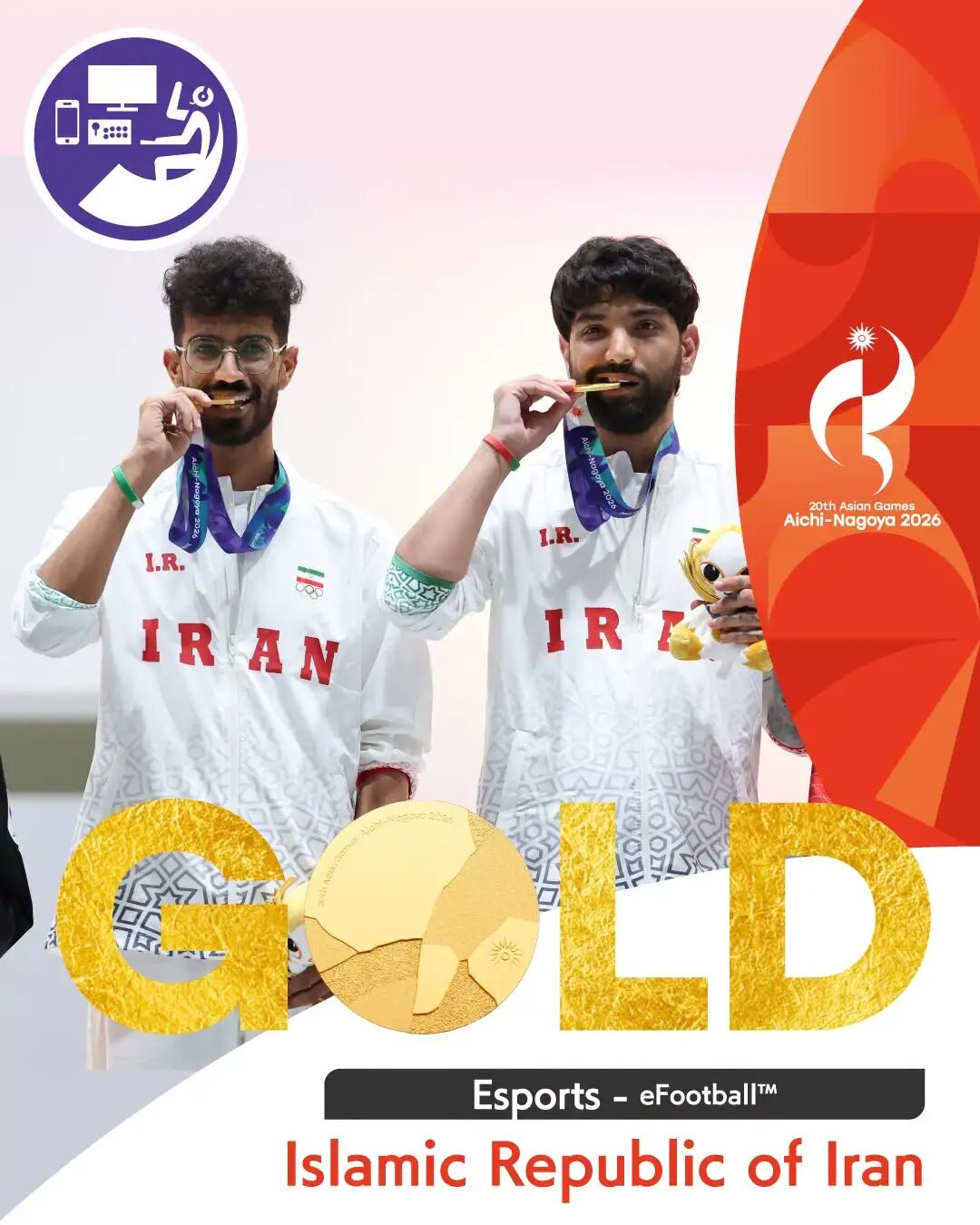
The eFootball competition at these Games uses a dual-platform, two-player national team format: each squad fields one PC player and one mobile player, and together they fight for a single team gold medal.
Aghaeinasab, the mobile player, was once a professional footballer in Iran's top division before changing direction and going pro in esports. The match-reading instincts he developed on a real pitch — reading formations, spotting space — translated directly to the small screen, letting him anticipate gaps in the opposition's defense faster than most.
"Winning the gold was incredibly emotional — hard to put into words. It's the result of the whole team and the Iran Esports Federation working together," he said in media interviews.
Pajani, the console player, is a legend of Iranian esports and the team's undisputed core — its steadying presence. As the veteran, he not only carried the high-pressure games but also managed the team's tempo and tactical adjustments.
Long before the Asian Games, Pajani had collected nearly every top honor in virtual football. He won the IESF World Esports Championship in 2019 and 2023, and at the 2022 Global Esports Games organized by the Global Esports Federation (GEF) he fought through the bracket and took down a Brazilian powerhouse to claim the title.
He carried that big-stage experience straight into the Asian Games, giving partner Aghaeinasab a sense of tactical security on the mobile side.
Back home, Iran announced a reward of 3 billion tomans for each of the two players and moved to secure them corresponding military-service exemptions. Luqman Shawani, president of the Iran Esports Federation, called it a "turning point" for Iranian esports.
But compared with competitors from peaceful regions, Iranian players who want to represent their country face far more than daily training — they face variables far beyond their control, and a far harsher reality.
From blackouts and internet shutdowns to war, and decisions made by other people, they are rarely the masters of their own fate.
Iran has been in a state of heightened tension since the start of this year. Nationwide internet restrictions began during the January protests. US and Israeli airstrikes on February 28 escalated the crisis, and the blockade that followed — including the closure of the Strait of Hormuz — made the country's future even more uncertain. As the fighting spread, no one knew how long it would last.
It was not until May 26 that Iran's connection to the global internet began to come back. The country of nearly 90 million people had spent 88 days almost entirely offline.
For esports players, the blackout meant losing contact with teammates and losing access to servers. Daily training ground to a halt, and competing internationally became a distant dream. Even after connectivity returned, access to international services remained restricted, and players had to shoulder the extra cost of getting through. Financial pressure and poor hardware were magnified with every day offline.
Iran's national team had originally planned to compete in both eFootball and Mobile Legends: Bang Bang (MLBB) at the Games, but the war threw their preparation into chaos.
For MLBB, the preparations had been in full swing. But with the qualifiers approaching, the team could not hold a single proper domestic tryout. The coaching staff had to piece together a roster based on old results — performances from official tournaments long before the blackout.
The squad then traveled more than 2,000 kilometers overland to Türkiye before connecting through to Singapore for the qualifiers.
In the West Asia qualifier, Iran went 2–2 to finish third in its group, then beat Nepal in a do-or-die play-in at the last moment to claim a ticket to Nagoya. That hastily assembled team had won its place at the main event.
At the end of July, just before the main-event draw, the Iranian National Olympic Committee abruptly announced that, given limited medal prospects, the state would prioritize events with realistic gold and silver chances. Iran ultimately withdrew from the Asian Games MLBB main stage, and Liquipedia recorded the withdrawal under the cause "Middle East regional conflict."
Esports was not alone. Mahdi Alinejad, secretary general of the Iranian Olympic Committee, spoke publicly about the difficulties: war had forced training camps to close, war and rising costs were squeezing the delegation, and the government was still working to raise the domestic and foreign currency needed to send teams to competition.
And so the team that had fought its way across borders and won its ticket never made it to Nagoya. For athletes in war zones, nothing is within their control. All they can do is live with it.
Pajani, in a way, was one of the lucky ones — at least he reached the qualifiers and won a main-event ticket. And the very nature of eFootball, a 1v1 game with no online teammates to sync with constantly, made it cheaper for him to train overseas. With some overseas connections in hand, he moved to Jakarta, Indonesia, where he lived and trained for a year and a half to stay in professional shape and keep a stable training environment. He returned to Iran only a month before the Games to train with his domestic teammate — by then Tehran was living under the shadow of war, and both his homecoming and his preparation were fraught.
Fortunately, the story had a happy ending. After 18 months away from home, he finally stood on the top step of the Asian Games podium. The gold medal cannot change his country's current circumstances, but it brought a precious moment of joy to people living through war.
In April this year, the 6th Asian Beach Games opened in Sanya, Hainan. About ten days before competition, the Iranian delegation made the long journey from Tehran, crossing the border into Turkmenistan, passing through Ashgabat, and finally reaching Sanya. They hoped to fight with everything they had for a medal and dedicate the honor to everyone who had supported them along the way — and that joy, too, might become a source of hope for the country.
Whether beach volleyball or esports, sport is always entangled with national politics, and the two are impossible to fully separate. But one thing is certain: competitive sport can bring encouragement to Iranians living through hardship.
The Asian Games are over, but Iran's esports players still face a harsh reality ahead. The power and the internet may be cut again, and they may even lose their homes amid the shelling. But you can imagine them finding every possible way to stay connected to the world — and to show up at the next competition.

Elizabeth Zhang
Elizabeth Zhang approaches virtual sports with an explorer’s curiosity and a reporter’s notebook. Moving between games, esports and sport, she looks for stories on ground that is still being mapped. She has a soft spot for anything interesting—and a question that keeps her going: where will we find the next great way to play?
More from this author